
•
On-Premise VS Cloud Computing: Benefits for Businesses
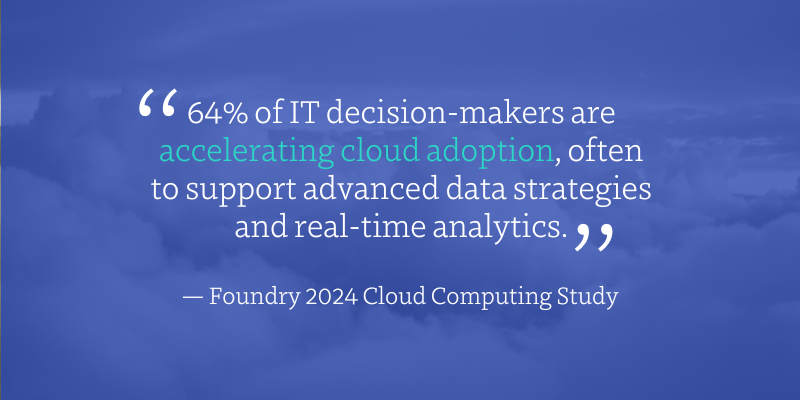
Cloud computing has become the backbone of modern business and IT infrastructure, and its momentum shows no signs of slowing down. Today, 98% of businesses have embraced cloud technology for at least some operations, and 70% of organizations now default to cloud-based solutions when upgrading or purchasing new technical tools. In a 2024 survey, 64% of IT decision-makers report accelerating their adoption of cloud computing, solidifying its role as a cornerstone of digital transformation.
Why the shift from traditional, on-premises infrastructure? While there’s still a time and place for both setups, cloud based infrastructure offers a competitive advantage that’s necessary to keep up with the pace of change.
In this article, we’ll explore the journey IT infrastructure has taken over the years and dive into the benefits of cloud computing solutions for business. You’ll learn:
- What is cloud computing?
- What are cloud computing platforms?
- What is traditional on-premise IT infrastructure?
- On-premise VS cloud computing comparison
- Benefits of cloud computing solutions for business
What is Cloud Computing?
Cloud computing is the offering of computing services—such as servers, storage, databases, networking, software, analytics, and intelligence—over the Internet (“the cloud”). It makes for faster innovation, and the ability to be flexible and easily scale. With cloud computing, you only pay for what you use.
What are Cloud Computing Platforms?
A cloud computing platform is a catch-all term to describe the package of cloud services a provider offers. Microsoft Azure is one leading cloud computing platform, with 200+ products and services. Amazon Web Services (AWS), Google Cloud Platform, IBM Cloud, and Adobe are other big players in the cloud computing space.
What is Traditional On-Premise IT Infrastructure?
If the cloud is the offering of computing services over the Internet, then a simple way to think about traditional IT infrastructure is those same offerings (servers, storage, databases, and software) being located on-premises—stored on hardware either within your office or at another secure location.
On-Premise VS Cloud Computing Comparison
When deciding between on-premise and cloud computing solutions, it’s good to weigh the pros and cons of each based on your organization’s needs. While on-premise solutions offer control and security, cloud computing excels in flexibility and scalability. Below is a side-by-side comparison of key features and functionalities to help you make an informed decision.
| Feature/Function | On-Premise | Cloud |
|---|---|---|
| Initial Cost | High upfront investment for hardware and setup. | Lower initial cost, pay-as-you-go subscription. |
| Scalability | Limited. Requires purchasing additional hardware. | Highly scalable. Resources can be adjusted on-demand. |
| Maintenance | Managed in-house by IT staff. | Managed by the cloud provider, reducing IT workload. |
| Accessibility | Limited to physical location unless remote setups are implemented. | Accessible from anywhere with an internet connection. |
| Security | Full control over security measures and data. | Relies on provider’s security protocols—often robust but requires trust. |
| Customization | Fully customizable to specific organizational needs. | Limited to the options provided by the service. |
| Reliability | Dependent on in-house infrastructure. Downtime can occur with hardware failures. | High reliability due to redundant systems and service-level agreements (SLAs). |
| Updates | Manual updates handled by in-house teams. | Automatic updates provided by the cloud provider. |
| Compliance | Easier to meet industry-specific regulatory requirements. | May face challenges if the provider doesn’t align with certain regulations. |
| Speed of Deployment | Longer setup time due to hardware and software installations. | Faster deployment with ready-to-use solutions available. |
On-Premise is ideal for organizations requiring full control over their IT environment, particularly in industries with stricter compliance and security requirements.
Cloud computing is best suited for businesses that prioritize flexibility, scalability, and reduced maintenance burdens. It’s especially beneficial for remote teams and rapidly growing organizations.
Ultimately, the right choice depends on your goals, resources, and long-term strategy. Many businesses now adopt a hybrid approach, leveraging both on-premise and cloud solutions to optimize performance and cost.
Top 5 Benefits of Cloud Computing Solutions for Business
More and more businesses are shifting to the cloud—but what’s driving the shift? Here are the top five benefits your business could realize from migrating to more cloud-based infrastructure.
1) Fuel Digital Transformation
The future of business is digital, and cloud computing provides the foundation for this transformation. It empowers businesses to move faster, adapt more flexibly, and make real-time, data-driven decisions. Cloud-based infrastructure supports technologies like Artificial Intelligence (AI), Machine Learning (ML), and the Internet of Things (IoT), helping your business automate processes and leverage advanced data strategies. Without the cloud, adopting these innovations becomes slower, costlier, and less effective.
2) Scale Without Limits
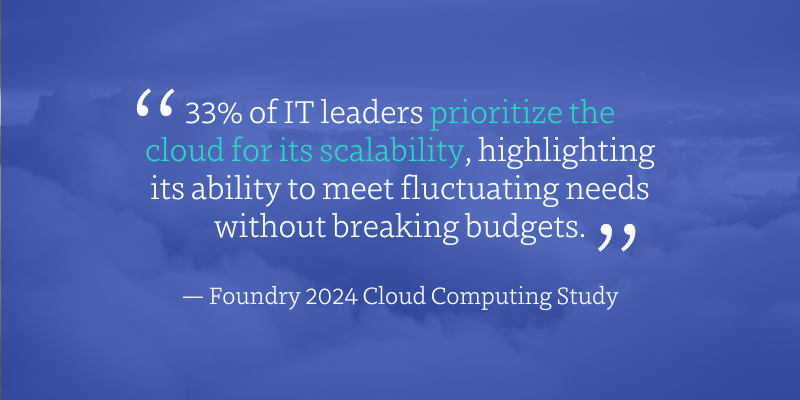
Cloud computing redefines how businesses think about IT expenses. Instead of investing heavily in physical hardware and maintenance, businesses can adopt a pay-as-you-go model, only paying for what they use. This elasticity allows your business to scale up or down quickly in response to changing demands.
By eliminating the capital expense of traditional setups, cloud services provide access to the latest technology, ensuring your business remains competitive and adaptable.
3) Work From Anywhere
The cloud simplifies integration and enhances productivity by making modern tools more accessible. Businesses can build custom applications, automate processes, and enable seamless communication. Employees can work from anywhere, on any device, without being hindered by legacy systems that require complex workarounds.
With the cloud, collaboration becomes frictionless, enabling teams to stay focused on what matters most: driving results and innovation.
4) Turn Data Into Decisions
Your data is the driver of your decisions, and your success. Does your data come to you in real-time? Or is it hidden in spreadsheets and rooted in lagging reporting cycles?
With the foundation of the cloud, a modern data strategy is possible. With data modernization, you will maximize the use of timely business data with interactive and visual dashboards that anyone on your team can quickly read and make better decisions from.
5) Build Trust With Security
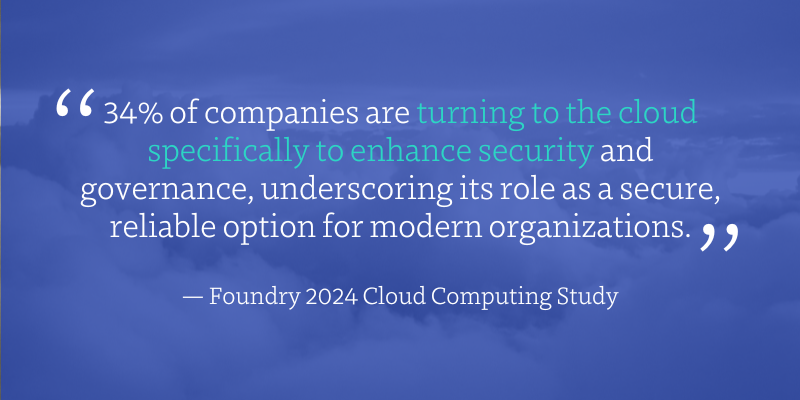
For those concerned about security, it’s important to know that cloud providers are deeply invested in safeguarding their platforms. Reputations—and their entire business models—depend on offering top-notch protection. Case in point, Microsoft alone invests over $1 billion annually in cloud security.
Cloud services also often include advanced governance and compliance tools, helping businesses navigate complex regulatory environments with confidence.
Take the Next Step Toward Cloud
Navigating the complexities of cloud computing can feel overwhelming—but it doesn’t have to be. With the right expertise, you can unlock the full potential of the cloud and ensure your business is set up for long-term success.
At Convverge, we specialize in Microsoft cloud solutions and are proud to be a Gold-level Microsoft partner. Our team of Azure consultants brings deep expertise to help your business harness the power of the cloud. Whether you’re exploring MS Azure consulting, planning a migration, or optimizing your current setup, we ensure a seamless transition with minimal disruptions.
From strategy to implementation, we’ll guide you every step of the way—helping you navigate options, align your cloud infrastructure with business goals, and position your organization for a thriving digital future.
Ready to get started? Let’s connect and transform your cloud journey today.